


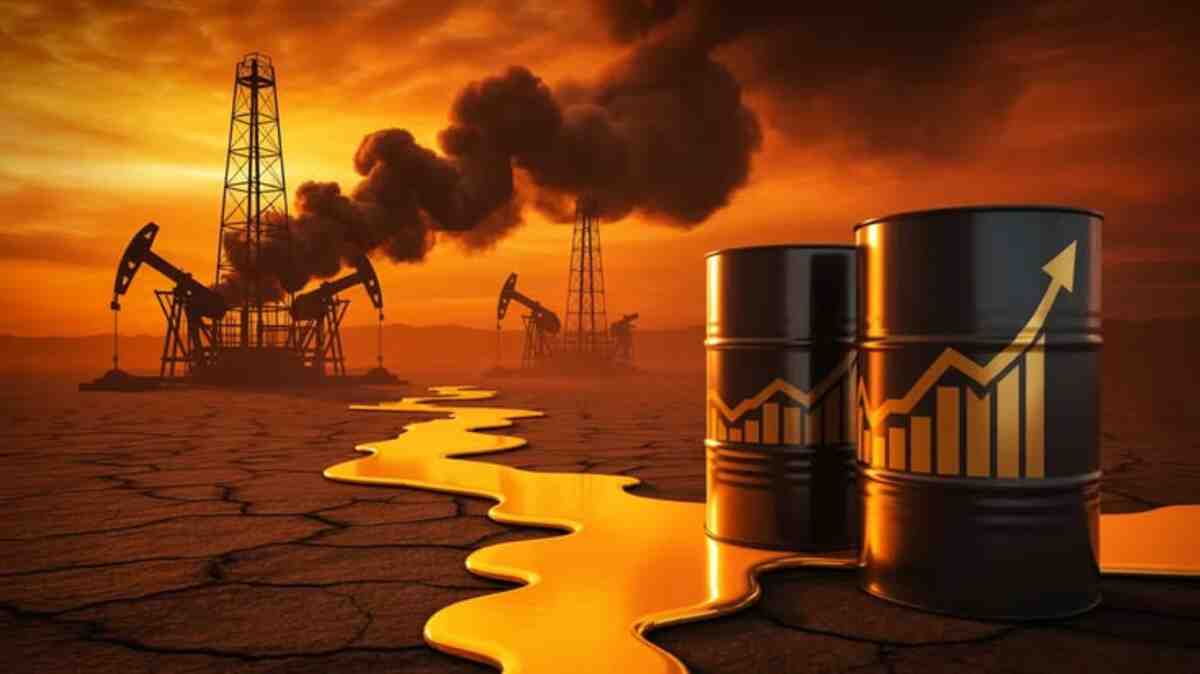

The global energy market is undergoing one of its most dramatic interventions in decades as major economies coordinate the largest-ever release of strategic oil reserves. Triggered by escalating geopolitical tensions and severe supply disruptions, this unprecedented move is reshaping oil prices, financial markets, and global economic expectations almost overnight.
At the center of the crisis is the disruption of oil flows through the Strait of Hormuz, a critical chokepoint responsible for nearly 20 percent of the world’s oil supply. The ongoing conflict in the region has sharply reduced exports, creating a supply shock that sent crude prices soaring above $100 per barrel and raised fears of prolonged inflation and economic slowdown.
In response, the International Energy Agency, along with 32 member nations, announced a coordinated release of approximately 400 million barrels of oil from emergency reserves. This marks the largest such action in history, more than doubling previous interventions seen during earlier global crises. Countries including the United States, Japan, Germany, and the United Kingdom have committed substantial portions of their reserves, signaling a rare level of global cooperation in the face of energy instability.
The immediate goal of the release is to stabilize prices and restore confidence in the market. Early indications suggest that the move has had a measurable impact. According to the IEA, the release has already helped cool extreme volatility and ease upward pressure on crude prices, which had surged dangerously close to crisis levels. However, experts caution that this relief may be temporary.
Strategic reserves are designed as a short-term buffer rather than a long-term solution. Analysts warn that the scale of the current disruption far exceeds what reserves alone can offset. In March alone, global supply losses approached levels comparable to the total volume being released, highlighting a persistent imbalance between supply and demand.
The United States has taken a leading role in the initiative, announcing a phased release of up to 172 million barrels from its Strategic Petroleum Reserve. This release is structured as a loan system, requiring companies to return the borrowed oil with a premium, a mechanism intended to eventually replenish reserves. While innovative, this approach has raised concerns about participation, as the added cost may deter some market players.
Despite these efforts, oil prices remain volatile, and market confidence is fragile. Some countries, including France, have already signaled hesitation about further releases, emphasizing that restoring normal oil flows is the only sustainable solution. The continued closure or disruption of key shipping routes means that even large-scale interventions may struggle to fully stabilize the market.
Beyond energy markets, the ripple effects are being felt across the global economy. Rising fuel costs are impacting transportation, manufacturing, and consumer prices, contributing to renewed inflationary pressures. Financial markets have reacted with increased volatility, with investors shifting toward safer assets amid uncertainty.
At the same time, the crisis is accelerating long-term changes in energy strategy. Governments and corporations are reevaluating supply chains, investing in alternative energy sources, and reconsidering their dependence on geopolitically sensitive regions. The coordinated reserve release, while temporary, has highlighted both the strengths and limitations of global energy security systems.
As the situation continues to evolve, one thing remains clear: the current oil shock is not just a short-term disruption but a defining moment for global energy policy. The effectiveness of this historic reserve release will ultimately depend on how quickly stability returns to key supply routes and whether deeper structural changes follow in its wake.