


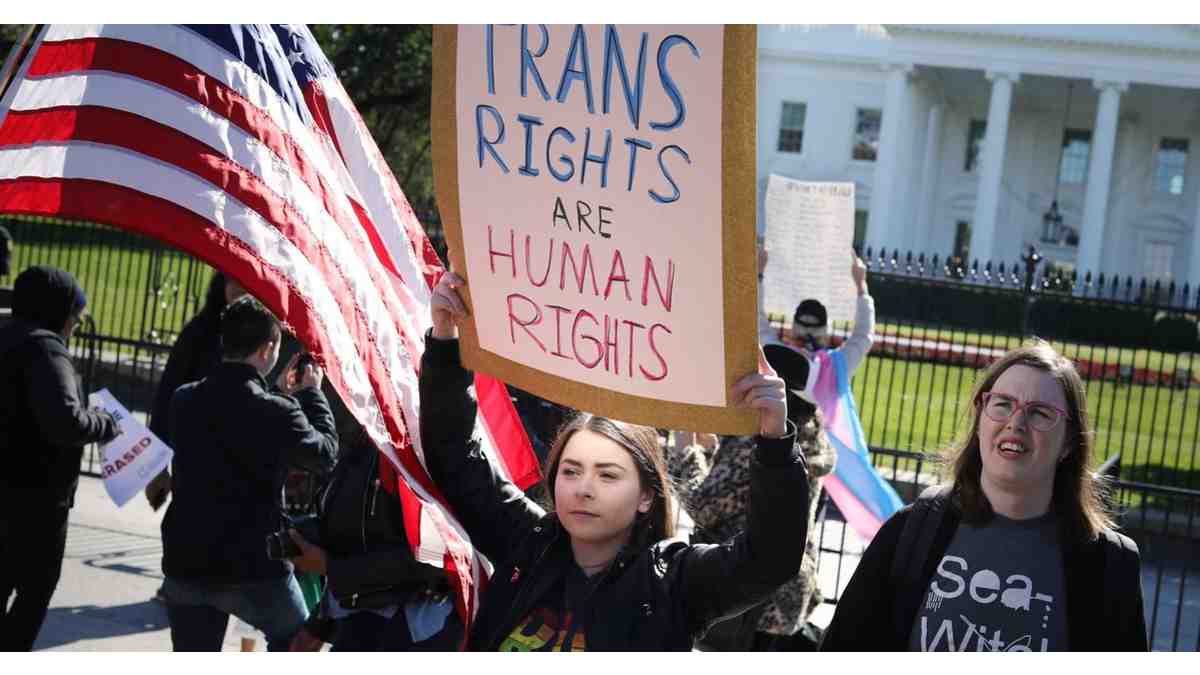

The Health Education Labor, and Pensions Committee held a hearing on June 3 2026 to explore the effects of gender transition procedures on youth. The hearing, entitled “Protecting Our Children: Exposing the Dangers of Irreversible Gender Transition Procedures on Minors, ” attracted a range of participants including senators, physicians, and persons with lived experience who shared their views on one of the toughest issues in healthcare today.
Numerous members of the panel were personally affected by the stories shared like Chloe Cole, a young woman who transitioned as a minor but later detransitioned, who related her experience in a very sincere way. Chloe told of her confusion about the long-term effects of puberty blockers, hormones of the opposite sex, and surgeries, sharing that she, and her parents, were not sufficiently informed about the risks like infertility and other irreversible consequences. She painted a picture of teenagers being at risk when they explore feelings about their identity at very unstable times during their development.
Health care is still the top priority for Chairman Senator Bill Cassidy, who also works as a doctor. Using the well-known principle of “doing no harm first, ” he and his fellow Republican colleagues, while showing some concern about sidestepping the evidence of risks, But used this or other methods to argue their point. They are not convinced of the maturity of young people to consent to such life-altering treatments and suggest that these clinics may need to be checked more closely.
Democrats and advocates including Shannon Minter from the National Center for LGBTQ Rights came out strongly against this position. They emphasize that gender-affirming medical care should be a matter for parents, doctors, and patients, not politicians. They also raised a very essential issue which is the mental health of transgender youth who could be left even more vulnerable if their access to care is limited. In fact, they see the whole situation as competing between human sympathy, the right of parents and doctors, and political restrictions.
The hearing comes at a crucial stage. Across the country, more than twenty states have already passed laws restricting gender-affirming medical care for minors. Major medical organizations continue to discuss the best practices in response to incrementally changing research findings. But, the Trump administration has already launched aggressive measures, including scrutinizing the health care providers and even possible funding restrictions. Dr. Kurt Miceli of Do No Harm was one of the witnesses who brought data suggesting that analyses of regrets and complications after gender-affirming treatments had been underestimated and thereby strengthened the call for a pause and more scrupulous long-term studies. …
Besides the policy disagreements, the dialogue showed that everyone has the same goal – to protect children who most need help – failed and marginalized young people. Parents on both sides of the disagreement called out their suffering. One group was fearful that their kids might be subjected to irreversible measures before they are ready, while the other group was in total despair at the possibility that children would be denied treatment and ultimately end up taking their own lives or worse. Psychiatrists pointed out that it is not very surprising that children and teenagers with gender dysphoria are often suffering from mental health disorders such as anxiety, depression, and autism that make decision-making in treatment difficult. …
This hearing in the Senate is a small window through which one can see the bigger picture of how these debates reflect the source of deep divisions in our country. With the help of science and through the process of changing cultural norms, families have to decide between their aspirations for their children not to suffer and their fear of the secondhand effects of the medical interventions. The hearing was a great opportunity that highlighted how capable we all are of listening to one another, respecting each other’s opinions, while persisting in our own convictions. …
Even if the session did not lead to any direct legislative proposal, it was an important moment to echo the national debate. Also, the content and direction of future federal policy, investment allocations, and medical guidelines may be affected by it. For lots of parents, it is a very personal affair. At the heart of their concerns are the needs of young people who deserve to receive well-considered, scientifically supported assistance as they reflect upon the question of their gender identity. …
The Senate’s attention to, protecting children, is a good reminder at a time when technology and social pressures are thrusting these issues on us faster and faster. Only through a balance of feeling with reason and empathy with scientifically based caution can we, as a society, move forward in Actually doing what is right for children – helping them to grow and develop healthily – for that is the highest good to which one can aspire (and that is what all the different parties want to be able to claim that they are doing, if not on exactly the same path). As more people weigh in, there is still a hope that eventually the laws will be tailored to support the health and well-being of future generations.”