


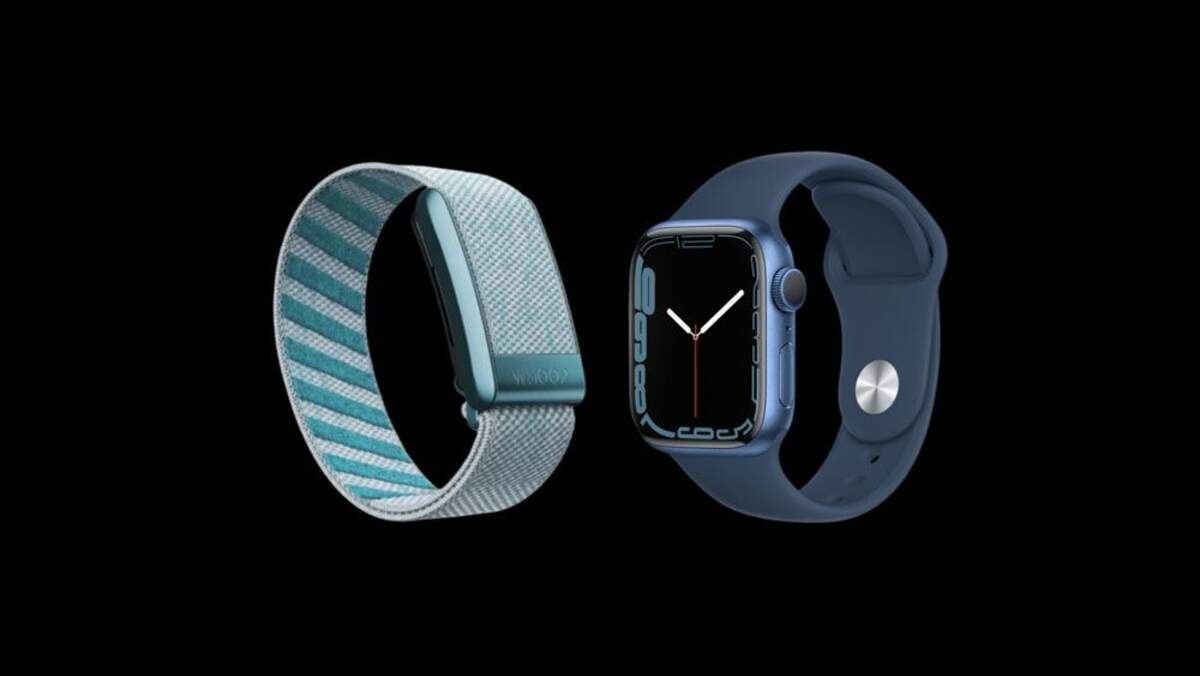

Apple has highlighted recovery and long-term wellbeing in a number of improvements that now have the Apple Watch and Health app competing more directly with more targeted wearables like Oura and Whoop. Improvements included a new daily readiness score, more detailed heart-rate variability analysis, a Health Age metric, and further integration of lab resultsall meant to help users better understand how ready their body is for today’s activities.
The most exciting addition is the readiness score you get on the Apple Watch Series 12 and Ultra 4. In one number it takes the last several days of activity, training load, overnight and day time vitals, and sleep and summarizes them into a number from zero to ten. For this number you receiveSimple, clear language suggestions: Recover, Pace Yourself, Ready, or Go For It. It can update throughout the day whenever new measurements come in so that spending a lot of time working out or having change in vitals can lower you in the rankings, while resting can again bump you higher up. This is similar to the recovery score seen on Whoop and the readiness rank once beloved by Oura.
Supporting the score is a more powerful Health Sensing System. The new watches take heart rate readings every few seconds and track heart-rate variation a hundred times more often. Apple now reports separate measures of Recovery HRV, helpful for daily stress and recovery indicators, separate from Cardiovascular Health, which brings a wider scan of cardiovascular trends. Overnight vitals are compared to a personal baseline, so you have a better idea of whether your body is operating above or below its usual levels.
On the iPhone, the updated Health app also adds a ‘Longevity’ tab and ‘Health Age’ calculation. As with Whoop Age or Oura’s cardiovascular age scores, it compares various physiological measurementsincluding VO2 max, sleep, and heart dataagainst Chronological Age. Using Apple Intelligence, it surfaces relevant insights and context throughout the data, making the number more meaningful.
One more practical extension would be the option to order blood work through Quest Diagnostics, and see the results show up directly in the Health app. A panel of about fifty blood indicators can be ordered with a local lab, providing clinical data to supplement the ongoing measurements from the watch. Oura and Whoop both have lab integrations already, so this move puts Apple in a more competitive position.
Also, Cycle Tracking has been expanded to support perimenopause and menopause, a life stage which many of the most dedicated wellbeing apps have started to address more thoroughly. All these updates can contribute to a more comprehensive map of the body’s daily readiness and long-term aging patterns and women’s healthall within the same environment of the bulk of iPhone owners.